Solving the Israeli Money Unit Crossword Clue: A Comprehensive Guide
The satisfying click of a crossword puzzle solution falling into place is a joy many enthusiasts cherish. Yet, certain clues, particularly those involving foreign currencies, can sometimes halt even the most seasoned solver. One such clue that frequently appears and can stump many is "Israeli Money Unit" or, for our German-speaking audience, "Israelische Münzeinheit". If you've landed here searching for precisely that – the German term for 'Israeli Coin Unit' or 'Israeli Money Unit' – you're in the perfect spot to demystify these clues and conquer your crossword challenge. This article provides a comprehensive overview of Israeli currency, common crossword solutions, and effective strategies to help you fill in those elusive blanks.
Navigating the Israeli Currency Landscape: The Shekel and Its Subdivisions
To confidently tackle any crossword clue related to Israeli money, a foundational understanding of the nation's currency system is essential. Israel's official currency today is the New Israeli Shekel, commonly referred to simply as the Shekel. Its international currency code is ILS, and its symbol is ₪. The Shekel is a modern, robust currency, having been introduced in 1985, replacing the "old" Israeli Shekel, which itself had replaced the Israeli Pound (also known as the Lira).
Like many currencies worldwide, the Shekel is divided into smaller units. One New Israeli Shekel is equal to 100 Agorot. The singular form of this subdivision is Agora. Understanding this relationship between the Shekel, Agora, and Agorot is crucial for crossword puzzles, as clues might refer to the main unit or its fractional components. For instance, a clue asking for a five-letter Israeli money unit would most likely point to "AGORA," while a six-letter clue might be "SHEKEL" or "AGOROT," depending on the context of the clue and whether it implies a singular or plural form of the subdivision.
The evolution of Israeli currency is also relevant for crossword enthusiasts. While the Shekel and Agora are current, older puzzles or those designed to be particularly tricky might occasionally reference historical currencies. The Israeli Pound, or Lira, used from 1952 to 1980, is the most notable predecessor. Keeping this historical context in mind can sometimes unlock solutions that seem out of place with modern currency knowledge.
Decoding "Israelische Münzeinheit": Common Crossword Answers and Their Lengths
When the clue "Israeli Money Unit" (or its German equivalent, Israelische Münzeinheit) appears, several answers frequently come up. The length of the blank spaces is usually your primary guide. Here are the most common solutions you'll encounter:
- SHEKEL (6 letters): This is arguably the most common answer for a six-letter slot. It refers to the main currency unit of Israel. Clues might simply state "Israeli money," "Israeli coin," or "Mideast currency" to lead you to this answer.
- AGORA (5 letters): For a five-letter solution, this is a strong contender. The Agora is the subdivision of the Shekel, with 100 agorot making up one shekel. A clue might specify "Israeli coin part" or "Fraction of a shekel."
- AGOROT (6 letters): This is the plural form of Agora. If the clue hints at multiple units or uses a pluralizing word, "AGOROT" is your answer for a six-letter slot. Be mindful of whether the clue implies singular or plural.
- LIRA (4 letters): This is a less common but still possible answer, especially in older puzzles or those aiming for historical accuracy. The Lira was Israel's currency before the Shekel. If you see a four-letter slot for an Israeli money unit, and SHEKEL/AGORA don't fit the intersecting letters, LIRA is a strong candidate.
Understanding these primary solutions covers the vast majority of "Israeli Money Unit" clues. For a truly exhaustive list of all possible answers, variations, and their corresponding letter counts, we recommend consulting our dedicated resource: Israeli Currency Unit Crossword Answers. This comprehensive page provides a quick reference for any specific length you might be struggling with.
Master Your Crossword Game: Strategies for Tackling Currency Clues
Beyond knowing the specific answers, developing effective crossword-solving strategies can significantly improve your success rate. When faced with a currency clue, particularly one like "Israeli Money Unit," consider these tips:
- Prioritize Letter Count: This is the golden rule. Always start by checking the number of letters in the answer slot. This immediately narrows down your options from Shekel (6), Agora (5), Agorot (6), or Lira (4).
- Utilize Intersecting Letters: Don't try to solve difficult clues in isolation. Focus on easier, intersecting clues first. The letters you fill in from those will provide crucial hints for your currency unit. If you have an 'A' in the second spot for a five-letter word, you can be almost certain it's AGORA.
- Pay Attention to Nuance: Crossword constructors are masters of subtle hints. Look for words like "part of a shekel," "small Israeli coin," or "old Israeli currency" to guide you. The presence of 'a' vs. 'an' or implied plurality (e.g., "many small coins") can differentiate between Agora and Agorot.
- Consider Historical Context: As mentioned, the Lira (Israeli Pound) is a historical currency. If the puzzle has a theme, or if other clues point to an older era, be prepared for a historical answer.
- Brainstorm and Eliminate: Once you have a few options based on letter count and intersecting letters, mentally run through each possibility. Which one makes the most sense with the surrounding words and the overall theme of the puzzle?
- Leverage Resources: There's no shame in seeking help! Websites like this one are designed to be a valuable tool. If you're still stuck, a quick search for "Israeli money unit crossword" or even the German "Israelische Münzeinheit Kreuzworträtsel" will often lead you to the exact solution or helpful guides. Our Guide to Israeli Currency Unit Solutions offers more detailed strategies for various clue types.
Beyond the Basics: Delving Deeper into Israeli Numismatics
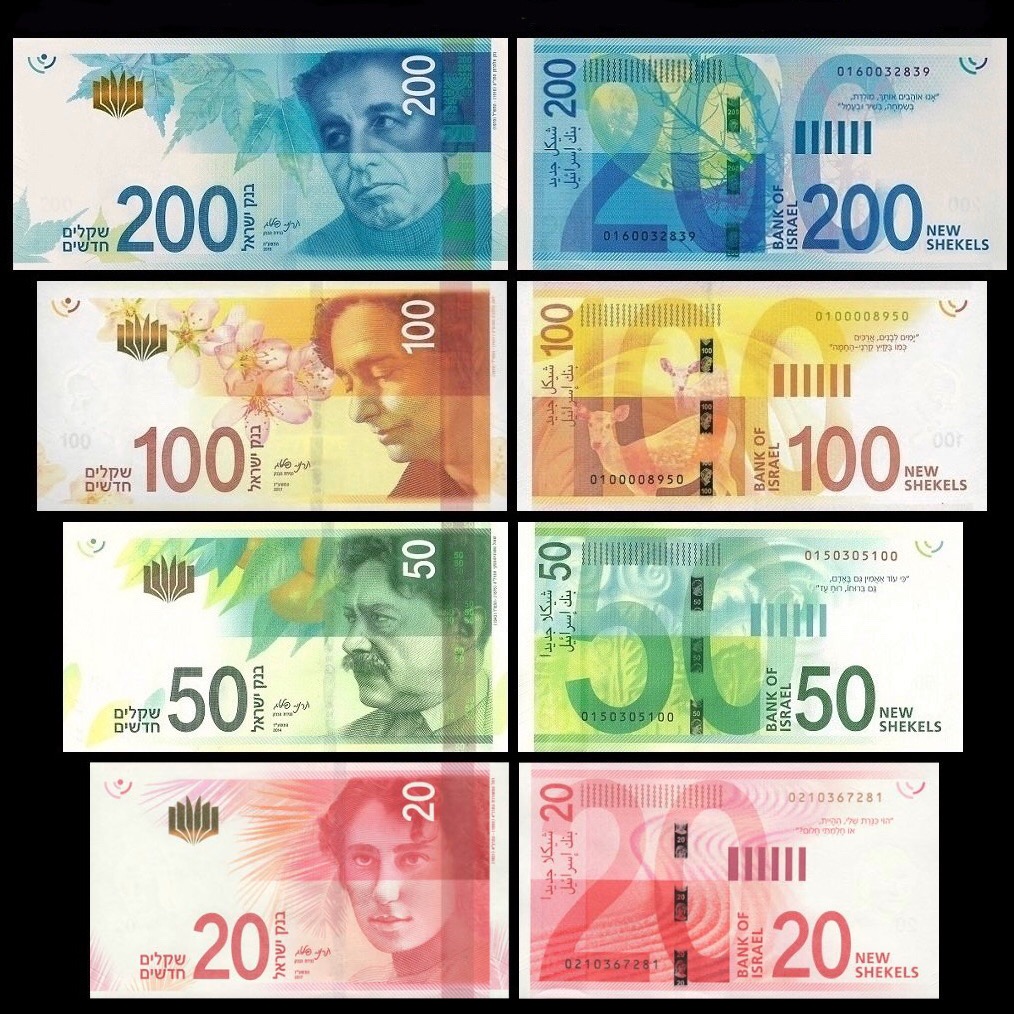
While solving a crossword is often a quick intellectual sprint, the world of currency itself offers fascinating insights. Israel's coins and banknotes are rich with cultural and historical significance, often depicting notable figures, archaeological sites, or national symbols like the Menorah. The current series of Shekel banknotes, for instance, features portraits of prominent Israeli poets, writers, and artists, connecting the nation's cultural heritage with its monetary system.
Understanding the actual denominations in circulation can also deepen your appreciation and provide additional context, even if they aren't direct crossword answers. Israeli coins currently include 10 agorot, ½ Shekel, 1 Shekel, 2 Shekels, 5 Shekels, and 10 Shekels. Banknotes are issued in denominations of 20, 50, 100, and 200 Shekels. These details might not directly solve a clue, but they build a richer tapestry of knowledge that makes future currency-related puzzles easier to approach from an informed perspective.
Whether you're planning a trip to Israel, have an interest in international finance, or simply love the challenge of crosswords, knowing about the Shekel and its history adds another layer to your general knowledge. The currency's journey from the Lira to the old Shekel and then to the New Israeli Shekel reflects the dynamic history and economic development of the modern State of Israel.
Conclusion
Conquering the "Israeli Money Unit" crossword clue, whether you searched for it in English or as Israelische Münzeinheit, is a satisfying achievement. By understanding the core units like the Shekel and its subdivisions, Agora and Agorot, and recalling the historical Lira, you equip yourself with the primary solutions. Coupled with smart crossword-solving strategies such as focusing on letter count and using intersecting letters, you'll find these clues less daunting. The world of Israeli currency is not just about solving puzzles; it's a window into the nation's identity and history. So, the next time this clue appears, approach it with confidence and enjoy the thrill of filling in those final squares!